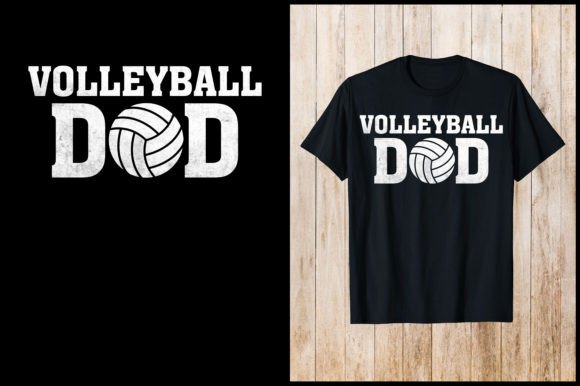
Volleyball Dad T-shirt Design Review
As a designer who has spent years navigating the gap between digital graphics and physical stitched products, I approach every new asset with a critical eye. The Volleyball Dad T-shirt Design arrived in my workflow as a potential staple for the upcoming summer season, specifically targeting parents of athletes. Before committing this to a client order or listing it on my shop, I needed to evaluate how it translates from a screen to a needle. This review breaks down the practical realities of using this graphic for real-world embroidery projects.
First Impressions: Mood and Visual Personality
The moment you open the file, the Volleyball Dad T-shirt Design exudes a classic, supportive energy. It is not overly complex, which is often a blessing in the world of machine embroidery. The layout feels balanced, designed to sit comfortably on the chest of a garment without overwhelming the wearer. For a T-Shirt Designs category item, simplicity is key because it ensures legibility from a distance—a crucial factor for event shirts or team spirit wear. The visual personality is straightforward and friendly, avoiding the clutter that can sometimes plague sports-themed Graphics.
However, the true test lies in how the shapes hold up when converted into stitches. A design that looks crisp as a PNG might fall apart if the curves are too tight or the lines too thin for standard thread. In this case, the vector lines appear robust enough to handle a fill stitch conversion without creating gaps or requiring excessive density that could pucker the fabric.
A Real-World Scenario: The Custom Sweatshirt Project
To truly gauge the utility of this design, imagine a specific project: a local high school volleyball coach wants custom sweatshirts for the "Dad's Night" fundraiser. She needs a look that feels professional yet personal. I pulled out my hoop and loaded the Volleyball Dad T-shirt Design onto a heavy-weight fleece mockup.
In this scenario, the design performs admirably. On a sweatshirt, the texture of the fabric can sometimes swallow smaller details, but the bold outlines of this graphic ensure visibility. When I ran a test stitch, the thread colors popped against the heather grey background. The design naturally lends itself to being an embroidered patch style application, where the outline provides structure and the interior fill adds weight. If I were selling this as a handmade product on Etsy, I would pair it with a premium cotton blend to elevate the perceived value. Customers buying these items are looking for durability; they want a shirt that survives the wash cycle and still looks great after a year of cheering at games.
Adapting to Different Textiles
While the sweatshirt worked well, versatility is what makes a design a true asset for a craft business. I considered how this would look on a tote bag design made of canvas. The stiffness of canvas requires less stabilizer than knit fabrics, making the stitching process faster. However, on a delicate baby onesie, I would need to be cautious. The stitch density might be too heavy for such thin material, potentially causing the fabric to warp. In those cases, reducing the density or switching to a lighter running stitch for certain elements would be necessary adjustments.
Navigating Technical Challenges
Even strong designs have limitations. When working with the Volleyball Dad T-shirt Design, there are specific areas where caution is required. First, consider the hoop size. While the artboard dimensions listed are substantial (4500 x 5400px), this indicates a large digital workspace rather than a specific stitch count. You must verify the actual size before hooping. If you attempt to shrink this design too much for a cap or a small pocket, the intricate details of the volleyball net or text may become indistinguishable blobs of thread.
Another challenge arises with dark fabrics. Embroidery on black or navy garments often requires a layer of underlay or even an applique design base to make the white or light-colored threads stand out. Without proper backing, the design can look muddy. Always test your machine embroidery design on a scrap piece of the exact fabric you intend to use. Check the contrast and ensure the stabilizer choice matches the fabric weight. Using a cutaway stabilizer for stretchy jerseys is non-negotiable to prevent the stitches from distorting when the fabric moves.
Impact on Brand and Customer Trust
For a small shop owner or Etsy seller, the quality of your finished product directly impacts customer trust. A poorly executed embroidery job can lead to returns and negative reviews. The Volleyball Dad T-shirt Design offers a clean aesthetic that, when done correctly, signals professionalism. It avoids the "homemade" look that comes from uneven tension or messy edges.
When customers receive a personalized gift like this, they expect precision. The clarity of the design ensures that the sentiment—pride in their child's sport—is communicated clearly. This attention to detail enhances the finished product value, allowing you to charge a fair price for your time and expertise. Furthermore, having a reliable set of design assets like this allows for consistency across your inventory. Whether you are producing holiday gifts or commercial embroidery for a team, knowing exactly how a design behaves saves hours of troubleshooting.
Practical Designer Notes for Success
- Test First: Never skip the test run on scrap fabric. Verify that the stitch density does not cause puckering, especially on knits.
- Check File Formats: The package includes AI, EPS, and PNG files. Ensure your embroidery software can read the vector files correctly before converting them to an embroidery file format like PES or DST.
- Color Strategy: Plan your thread colors carefully. High contrast usually works best for sports themes, but ensure the colors match your brand palette if used for boutique merchandise.
- Licensing Check: Before selling any custom apparel or digital embroidery file versions, confirm the licensing terms. Some licenses restrict commercial use or require attribution.
- Maintain Scale: Do not scale the design beyond its recommended limits. Tiny lettering or fine lines will not translate well to thread.
Final Verdict for Makers and Entrepreneurs
The Volleyball Dad T-shirt Design is a solid addition to any decorator's library. It strikes a balance between visual appeal and technical feasibility, making it suitable for a wide range of applications from sweatshirt embroidery to pillow covers. Its strength lies in its clarity and adaptability, provided the maker respects the technical requirements of the medium.
For those looking to expand their catalog with holiday embroidery ideas or seasonal sports gear, this design offers a reliable foundation. It encourages creativity without forcing you to fight the machine. By following best practices for stabilization, sizing, and testing, you can turn this digital graphic into a high-quality, tangible product that customers will love. As with all Graphics intended for physical production, the magic happens in the execution. Take the time to prep properly, and this design will serve your craft business well.